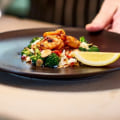
There's something about feeding someone who's hungry that just hits different, you know? It's basic human stuff—one person making sure another person eats. But we've somehow built these massive systems around food insecurity that put so much distance between people who want to help and people who need help. That's where tukr box comes in, basically tearing down those barriers by letting regular people cook meals in their own kitchens and get them straight to homeless veterans and seniors in need.
The whole thing is so straightforward it almost catches you off guard. You're making dinner tonight anyway, right? Make a little extra. Package it up. Someone who served our country or spent decades contributing to society gets a real, home-cooked meal instead of whatever they might find or just go without. No big fundraising events, no massive overhead eating up donations, no bureaucratic nightmare—just food going from your stove to someone's plate.
The Gap We Don't Talk About
Walk through pretty much any American city and you'll see them. Veterans who fought in wars we barely remember, now sleeping rough. Seniors who worked forty years and somehow ended up with nothing. The numbers are honestly brutal when you actually look at them. Thousands of homeless veterans every single night. Elderly people choosing between medications and groceries. These aren't some distant problem—they're our neighbors, people in our communities who deserve so much better.
Look, traditional food banks and shelters do important work. I'm not knocking that. But there's a limit to what institutional food service can actually provide. Mass-produced meals, not much variety, the whole indignity of waiting in long lines. And for seniors in need who maybe can't get around easily, or veterans dealing with PTSD, even getting to those resources becomes another hurdle. Community food support has to move past just "calories in mouths" and start thinking about dignity, nutrition, quality.

How This Thing Actually Works
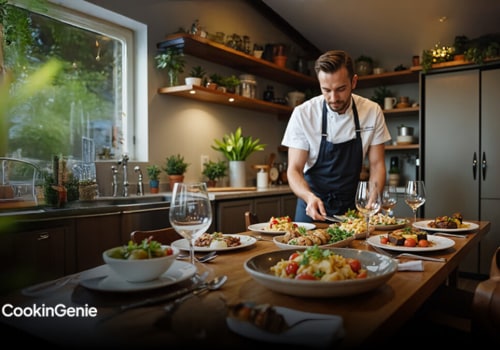
The tukr box system operates on a model that's refreshingly simple. Home cooks—that's you, me, whoever—prepare meals in their own kitchens. We're not talking about some fancy culinary creation here. Just solid, nutritious food. The kind of chicken and rice you'd make for your own family. A good stew. Pasta with vegetables and protein. Real food.
These meals get packaged in food-safe containers that meet all the health and safety standards. Because yeah, there are regulations around this, and they matter. You can't just toss food in any random container and call it good. The packaging protects the food, keeps it fresh, makes sure it's safe to eat. tukr box provides the specific containers and guidelines to make sure everything's up to code.
Then there's the distribution part, which is where it gets interesting. Local coordinators connect home cooks with specific drop-off locations where homeless veterans and seniors can pick up meals. Sometimes volunteers deliver directly to people who can't make it to a pickup spot. The logistics change depending on the community, but the heart of it stays the same—getting food from kitchen to person as efficiently as possible.
Here's what makes it different from, say, just handing out sandwiches on a street corner. There's structure. Accountability. Food safety protocols. Regular schedules so people know when to expect food. The tukr box meal kits for the homeless aren't random good deeds—they're part of an ongoing effort to feed the homeless consistently.
Why Veterans and Seniors
The focus on homeless veterans isn't random. These are people who literally signed up to potentially die for their country, and we've failed them in ways that should embarrass every one of us. Mental health struggles, physical disabilities, trouble adjusting to civilian life—the reasons veterans end up homeless are complicated, but making sure they eat doesn't have to be.
Veterans already gave so much. The absolute least we can do is make sure they're not going hungry. And when a veteran gets a home-cooked meal, there's something in that gesture that recognizes their service, their humanity, their value. It's not charity in some condescending way—it's community taking care of its own.
Seniors face different but equally serious problems. Fixed incomes that haven't kept up with costs. Health issues that drain savings. Sometimes isolation after losing a spouse or when family moves away. An eighty-year-old who worked their whole life shouldn't be picking between medications and food, but that's exactly what too many face. These people built the infrastructure we all use. They paid into systems their entire working lives. They deserve to eat well in their later years.
Getting Started: The Real Talk
So you're thinking about doing this. Good. Here's what you need to know before you start cooking.
First, check your local health department regulations about preparing food for public consumption. Some places require food handler's permits, even for volunteers. Others have specific kitchen requirements. The rules exist for good reasons—foodborne illness is serious, especially for vulnerable people with compromised immune systems. Don't skip this step. I mean it. The last thing you want is making someone sick while trying to help.
Temperature control matters way more than most people think. Hot food needs to stay hot, cold food needs to stay cold. That danger zone between 40 and 140 degrees? That's where bacteria go crazy. If you're cooking something that needs reheating, make sure recipients can actually heat it, or provide meals that are safe at room temperature. Missing this is one of the biggest mistakes in home food preparation for others.
Meal planning takes more thought than your typical family dinner. Think about dietary restrictions, allergies, dental issues some seniors might have. Skip foods that are too tough to chew or need utensils that might not be available. Nutrient density becomes crucial when you're maybe providing someone's only real meal of the day. Protein, vegetables, whole grains—hit the major food groups without getting fancy.
Consistency beats intensity every time. Making ten meals once is nice. Making two meals every week for six months creates actual impact. The people you're feeding aren't just hungry today—they'll be hungry tomorrow and next week. Building a sustainable rhythm matters more than one big heroic push.
The Ripple Effects You Don't See Coming
Here's where things get interesting in ways you might not expect. When you start cooking for others regularly, something shifts in how you think about food. You waste less because you're more aware of what food means when someone doesn't have enough. You plan better. You see your own kitchen access differently.
Communities start connecting in unexpected ways. That guy two houses down you've only ever waved at? Turns out he's also cooking meals every Wednesday. Now you're coordinating, swapping recipes, maybe splitting costs on bulk ingredients. Suddenly there's this informal network of people who care about the same thing, working together without anyone officially organizing it.
Recipients aren't just passive in this model either. Veterans helping distribute to other veterans. Seniors who have housing helping those who don't. People who've been on the receiving end of community food support often become its strongest advocates and most dedicated volunteers once their situation improves. The movement builds on itself.
What Goes Wrong and How to Avoid It
Let's talk about the failures because pretending everything always works doesn't help anyone.
Over-ambition kills more good intentions than anything else. Someone gets inspired, commits to making fifty meals a week, burns out after three weeks, quits entirely. Start smaller than you think you should. Two meals a week you can sustain beats twenty meals you can't.
Food safety violations happen when people get comfortable and stop following protocols. "Oh, it'll be fine" has probably caused more food poisoning than we can count. Don't get casual about storage temperatures, handwashing, cross-contamination, expiration dates. Every single time, follow the procedures.
Communication breakdowns create chaos. A volunteer forgets to show up for pickup. Meals sit out too long. Someone's expecting food that never shows. Build redundancy into your systems. Have backup contacts. Confirm schedules. Over-communicate.
Cultural insensitivity in meal choices happens more than it should. Not everyone eats pork. Some people can't have dairy. Religious dietary restrictions matter. Don't assume your normal is everyone's normal. Ask questions, learn preferences, adjust.
Treating recipients like charity cases instead of people deserving respect—this might be the worst mistake of all. The power dynamic when you're providing something essential someone else needs requires conscious attention. Preserve dignity. Don't make people perform gratitude. Don't photograph them without permission. Don't tell their stories without consent. They're human beings, not props for your social media.
The Economics That Actually Make Sense
Running the numbers on this yields surprising results. The average cost to prepare a nutritious home-cooked meal typically runs between three and seven dollars depending on ingredients and portion size. Compare that to restaurant delivery, prepared meal companies, or even many grocery store deli options. The efficiency comes from bulk buying, minimal overhead, and volunteer labor.
For someone donating, there's no administrative fee eating up their contribution. Every dollar spent on ingredients becomes food. That direct line from resource to result appeals to people tired of charity organizations where big chunks of donations disappear into "operational costs."
The sponsor model expands this. Individuals or businesses can sponsor multiple meals without doing the cooking themselves. They're basically funding home cooks to prepare meals for homeless veterans and seniors. It's a way to contribute when you have money but not time, and it keeps the model sustainable even when volunteer cook capacity fluctuates.
Scaling Up Without Losing the Human Part
Here's the tricky bit—how do you grow something like tukr box® without it becoming the exact kind of impersonal bureaucracy it was designed to avoid? The tension between keeping that human connection and serving more people is real.
Some communities have found success with hub-and-spoke models. A central coordination point manages logistics, food safety compliance, volunteer scheduling, and recipient needs. Individual cooks stay independent but operate within a supportive structure. This keeps the personal touch while adding organizational capacity.
Technology helps to a point. Apps that match cooks with recipients, track meal counts, send reminder notifications—useful tools. But the core has to stay human. Someone needs to know that Joe prefers his meals without onions and Sarah can't make it to the usual pickup spot this week. Software doesn't replace knowing your community.
Partnerships with established organizations provide legitimacy and resources without reinventing every wheel. Veterans' organizations, senior centers, existing food banks—these groups already have relationships and infrastructure. Collaboration leverages strengths without duplicating efforts.
Where This Is All Heading
Looking ahead, models like this point toward something bigger about how communities might tackle food insecurity. The old way of centralized food distribution has its place, but it's not enough. We need multiple approaches happening at once, each serving different needs and connecting with different populations.
Direct community-to-community support recognizes that most people want to help but need practical ways to do it. Give someone a clear, manageable way to contribute and they'll often step up. The barrier isn't lack of caring—it's lack of accessible entry points.
For homeless veterans specifically, housing is the ultimate solution. But while we're working on that bigger systemic problem, they still need to eat today. And tomorrow. Short-term solutions that preserve dignity while people work toward stability matter immensely.
Seniors in need deserve specialized attention that considers their unique challenges—limited mobility, potential cognitive issues, pride that makes asking for help difficult. A delivery model that brings food to their door removes barriers that might keep them from accessing traditional food banks.
Getting Real About Impact
Numbers tell part of the story. Meals served, people fed, volunteers engaged—these metrics matter for tracking growth and showing reach. But they miss something essential about what actually happens when someone receives a home-cooked meal from someone in their community.
It's recognition. Acknowledgment that they matter, that someone cared enough to spend time preparing food specifically for them. That psychological component of community food support might be as nourishing as the nutrients in the meal itself.
For veterans, it's a small act of gratitude in a world where "thank you for your service" often feels empty. For seniors, it's respect for their contributions and recognition that age doesn't diminish human worth. For anyone experiencing homelessness, it's proof that they haven't been forgotten or written off.
What You Can Do Tomorrow
Stop reading, start cooking. I'm serious. Look up your nearest tukr box chapter or similar organization. If one doesn't exist, maybe you're the person to start it.
Cook extra portions tonight. Find out where homeless veterans or seniors gather in your area—shelters, churches, community centers, parks. Connect with them. Ask what they need, not what you assume they need.
Talk to your neighbors. Build that informal network of people who'll cook once a week. Pool resources, share the load, create something sustainable.
The gap between intention and action is where most good ideas die. Don't let this be one of them. Someone three miles from your house is probably hungry right now, and you have the ability to change that. It's not complicated—it's just cooking extra and making sure it gets to someone who needs it.
The tukr box movement proves we don't need massive organizations or government programs to start addressing food insecurity in our communities. We just need people willing to cook, to care, to connect. Your kitchen, someone's next meal. That simple, that important.
Learn how tukr box supports veterans and forgotten elderly
#tukrboxmob #tukrbox #homelessveterans